In today’s fast-paced digital world, staying updated on online trends isn’t just fun—it’s essential for understanding pop culture and social media chatter.
One term that has been creeping its way into discussions, YouTube videos, and forums is “analog horror.” If you’ve seen mysterious VHS-style videos, distorted news clips, or surreal storytelling online, you’ve likely encountered this genre.
Understanding what analog horror means can give you insight into why it’s captivating, why it’s trending in 2026, and how it influences modern storytelling.
Not only does it help you decode conversations, but knowing this term also lets you participate in the growing online communities discussing these eerie videos.
Plus, it’s a conversation starter if you want to impress your friends with your knowledge of internet culture!
What Does “Analog Horror” Mean? (Definition & Origin)
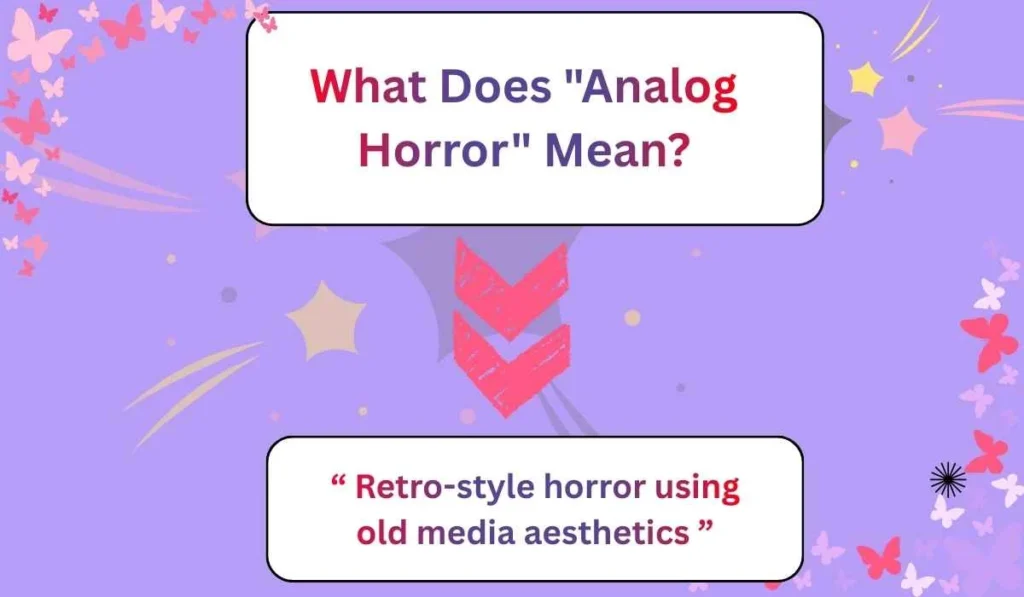
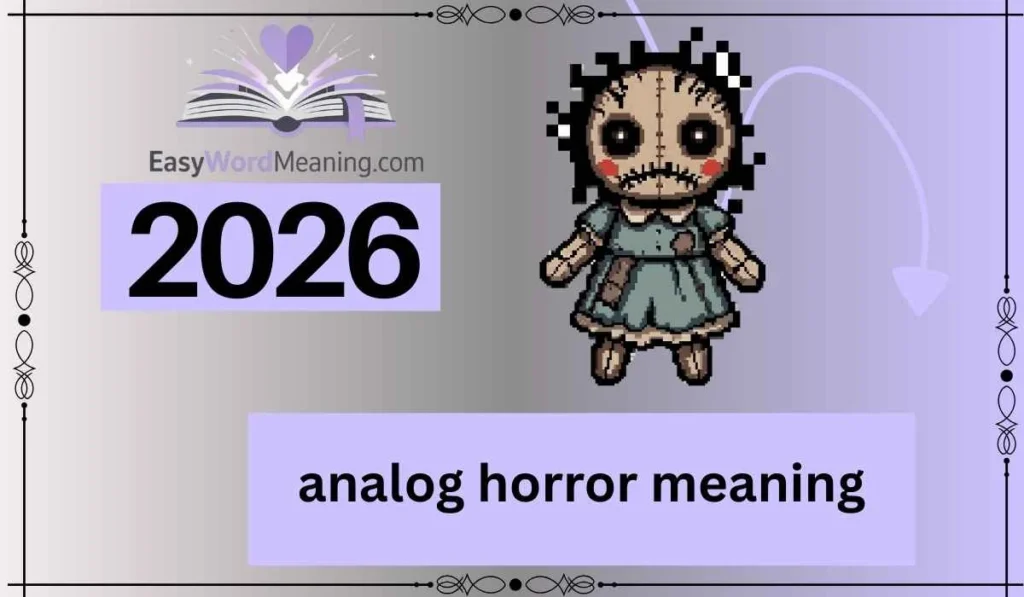
Analog horror is a subgenre of horror that uses old-school analog technology—think VHS tapes, broadcast television, and audio distortions—to create an unsettling, retro-style storytelling experience.
Unlike traditional horror, which relies heavily on jump scares or CGI effects, analog horror builds tension through nostalgia, imperfect media, and the fear of the unknown.
Origins of Analog Horror
- Early Inspirations: The roots can be traced to experimental short films, eerie local TV broadcasts, and found footage horror from the 1980s and 1990s.
- VHS Era Aesthetic: The grainy video quality, tracking errors, and distorted audio evoke a feeling that something is off—perfect for horror.
- Internet Boom: Platforms like YouTube allowed creators to share analog horror clips, creating a subculture of fans who appreciate the mix of retro tech and storytelling.
Fun fact: One of the earliest viral analog horror series, “Local 58,” combined old TV broadcasts with terrifying scenarios, influencing countless creators.
Key Features
- Grainy or static-filled visuals
- Distorted audio and low fidelity
- Retro technology as a storytelling tool
- Mysterious or ambiguous narratives
- Slow-building tension and suspense
By understanding these traits, you’ll not only know what analog horror means, but you’ll also recognize it in memes, YouTube compilations, and online chat discussions.
How to Use “Analog Horror” in Texts or Chat
When chatting online, using terms like analog horror shows that you’re up-to-date with pop culture. Here’s how to naturally integrate it:
Casual Conversation
- Example 1: “Just watched a retro analog horror series last night—it freaked me out!”
- Example 2: “That glitchy VHS clip is such analog horror vibes.”
In Discussions or Forums
- When participating in Reddit threads, Discord channels, or YouTube comments, analog horror can be used to discuss aesthetics, storytelling, or specific series.
- Example: “I think the way they use distorted broadcast signals is classic analog horror technique.”
Social Media Posts
- Tagging or describing content using analog horror helps your posts reach the right audience.
- Example: “My new short film experiment is inspired by analog horror—VHS aesthetic, mysterious plot, and creepy sounds!”
Using it appropriately not only clarifies what you’re referring to but also signals you’re in touch with 2026’s trending online content.
Examples of “Analog Horror” in Conversations
To make it crystal clear, here are some real-life examples of how analog horror might come up:
- Texting a Friend:
- “Have you seen that analog horror series on YouTube? The VHS vibes are reckless!”
- Reddit Thread:
- User1: “What’s your favorite scary YouTube series?”
- User2: “Definitely anything that falls under analog horror. Local 58 is a masterpiece.”
- Discord Chat:
- “That distorted audio clip gave me full analog horror chills.”
Notice how context matters: whether in a casual chat, comment, or discussion, analog horror is typically used to describe a creepy retro aesthetic or the style of storytelling.
Common Mistakes or Misunderstandings
Even with frequent online discussions, some people misunderstand analog horror. Here are a few pitfalls:
Mistake 1:
Confusing It With Modern CGI Horror
- Reality: Analog horror relies on analog tech aesthetics, not advanced computer-generated effects.
- Tip: Focus on grainy visuals, distorted audio, and retro storytelling.
Mistake 2:
Thinking It’s Just a Nostalgia Trend
- While the retro look is key, analog horror also uses psychological tension and ambiguous narratives to scare viewers.
Mistake 3: Using It Incorrectly in Chat
- Don’t use “analog horror” to describe any scary video.
- Correct usage: “This VHS-style glitchy video is full of analog horror vibes.”
By avoiding these mistakes, you can confidently talk about analog horror like a seasoned fan.
Related Slangs or Abbreviations
If you’re exploring the world of online horror content, you might also encounter these terms:
- VHS aesthetic: Refers to the old-school video tape look, integral to analog horror.
- Found footage: Films or videos presented as if discovered after the events happened, often overlaps with analog horror.
- Creepypasta: Horror stories circulated online; sometimes inspired analog horror visuals.
- Glitchcore: Aesthetic style featuring digital distortion—shares overlap with analog horror.
- LOFI horror: Combines low-fidelity visuals and audio with creepy storytelling.
Learning these terms helps you fully understand discussions about analog horror and related online communities.
Why Analog Horror is Trending in 2026
- Nostalgia Factor: People enjoy the retro aesthetic reminiscent of childhood TV and VHS tapes.
- Unique Storytelling: Analog horror emphasizes subtle tension over jump scares, appealing to viewers tired of formulaic horror.
- Viral Online Content: YouTube, TikTok, and Reddit have become central hubs for sharing analog horror clips.
- DIY Creativity: Amateur creators can make analog horror videos with minimal equipment, encouraging community growth.
With its rise in 2026, analog horror meaning has become a must-know term for anyone active online.
Conclusion:
Analog horror is more than just a spooky trend—it’s a unique storytelling style blending retro technology, psychological tension, and nostalgia.
By understanding its meaning, origin, and usage, you can confidently participate in online chats, forums, and social media discussions.
Whether you’re texting friends about your latest creepy video discovery or joining Reddit threads about VHS aesthetics, analog horror is here to stay in 2026.
Its growing popularity shows that good storytelling can be timeless—even when it’s grainy, distorted, and unnervingly mysterious.
Share your favorite analog horror clip or series in the comments and see who else gets the chills! 👻

Suleman Malik is the voice behind EasyWord Meaning, bringing clarity to words one meaning at a time. Passionate about language and learning, he makes understanding words simple, fun, and memorable for everyone.